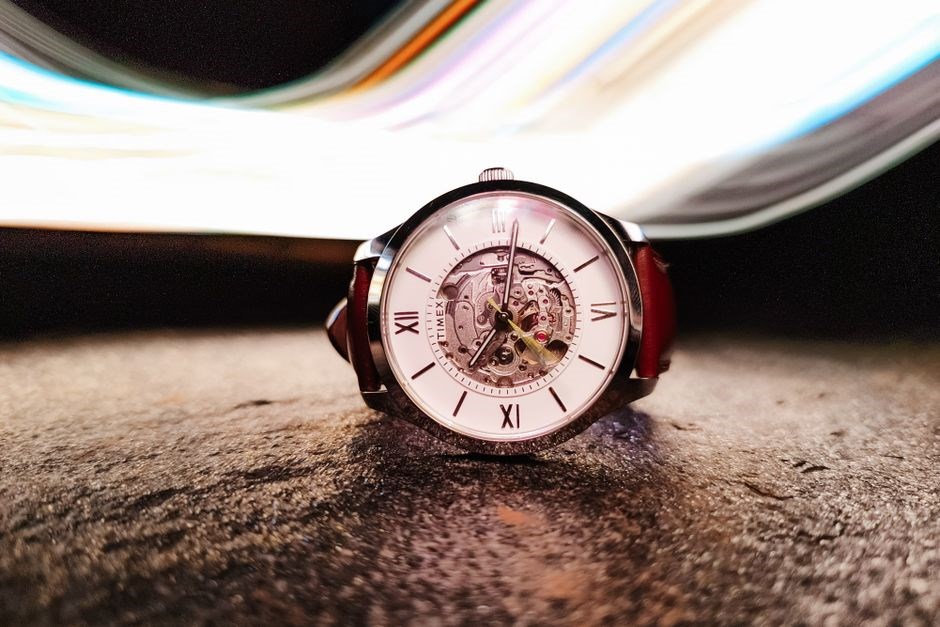
Overview of Fossil Watch Instruction Manuals
Fossil instruction manuals cover setup‚ operation‚ maintenance‚ and troubleshooting for models from 2000‑2009 and newer. They detail time/date setting‚ chronograph use‚ alarm‚ battery replacement‚ strap changes‚ water resistance‚ and warranty claims. For detailed steps‚ see the PDF tutorial help.!

Model Identification and Compatibility
Fossil watches are identified by a unique model number printed on the case back or engraved on the dial. Common formats include six‑digit codes such as FS6101 for the 2021 Machine Chronograph‚ or four‑ or five‑digit series for older 2000‑2009 models. To confirm compatibility‚ locate the serial number‚ then cross‑reference it with the manufacturer’s online database or the printed warranty booklet. Compatibility depends on generation‚ battery type‚ and movement. The 2000‑2009 line uses a 3‑V silver‑oxide CR‑2016 battery and a quartz movement‚ while the 2021 Machine Chronograph uses a 3‑V lithium CR‑2016 battery and a mechanical movement. The manual specifies the correct battery and service interval. When buying a replacement strap‚ ensure it matches the case size (e.g.‚ 20 mm for FS6101) and lug width. The manual includes a compatibility chart that helps verify that any part or accessory fits the watch. If in doubt‚ contact Fossil support or an authorized service center. The “Model Identification” section provides step‑by‑step instructions for locating and interpreting the serial number and troubleshooting mismatches with third‑party parts. Following these guidelines ensures all components remain fully compatible‚ preserving accuracy‚ durability‚ and warranty coverage. Always verify the model code before ordering parts to avoid compatibility issues. The manual also explains how to reset the time zone offset after travel. It recommends using a soft brush for case cleaning to avoid scratches. Owners should store the watch in a cool‚ dry place when not worn. These steps help prevent corrosion and extend the watch’s operational life.
Setting the Time and Date
To set the time and date on a Fossil watch‚ first locate the crown on the right side of the case. Pull the crown to the first click position to enter the time‑setting mode. Rotate the crown clockwise to advance the hour hand; counter‑clockwise to rewind. When the hour hand reaches the desired time‚ push the crown back to the second click to set the minute hand. For watches with a 24‑hour display‚ use the “24‑hour” button on the dial to toggle between 12‑ and 24‑hour modes. After setting the hour and minute‚ pull the crown to the third click to adjust the date. Rotate the crown to move the date forward; the watch will automatically roll over from 31 to 1. If the watch has a separate “day” indicator‚ set it by pulling the crown to the fourth click and rotating until the correct day appears. Once all settings are correct‚ press the crown to the normal position; the watch will resume normal operation. For quartz models‚ the manual recommends checking the battery after setting the time to ensure accurate timekeeping. If the watch has a chronograph feature‚ do not engage the chronograph while setting the time‚ as this may reset the seconds hand. Finally‚ verify the time by comparing it with a reliable reference such as a smartphone or atomic clock. If the time drifts‚ consult the service section for battery replacement or movement adjustment. This procedure applies to all Fossil models listed in the instruction manual‚ including the FS6101 Machine Chronograph and older 2000‑2009 series. Remember to perform a quick check after each adjustment‚ and keep the watch in a dry environment to maintain accuracy over time. Always keep crown seated after setting
Using the Chronograph Function
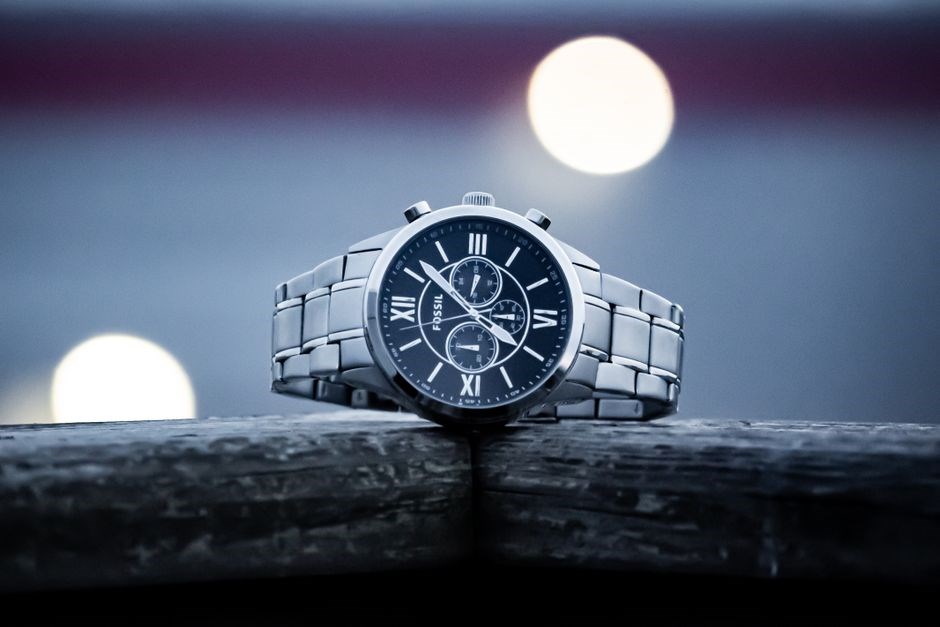
To start the chronograph on a Fossil machine chronograph‚ press the push‑button located on the left side of the case. This action starts the seconds hand and the sub‑dial counter. The same button‚ when pressed again‚ stops the chronograph and locks the seconds hand in place. To reset the counter to zero‚ press the third button on the right side of the case. The chronograph operates in three stages: start‚ stop‚ and reset. For models with a 24‑hour mode‚ the chronograph will automatically reset the seconds hand after 24 hours‚ ensuring continuous timing without manual intervention. The manual specifies that the chronograph should be used on a flat surface to avoid accidental stops. The watch’s stainless‑steel case protects the movement from shock‚ but the user should avoid dropping the watch while the chronograph is running. When the chronograph is active‚ the watch’s power reserve indicator will show a slight decrease in battery life; the manual recommends replacing the battery after 12 months of continuous use. The chronograph’s sub‑dial displays elapsed minutes and seconds; the main dial shows the current time. For precise timing‚ use the chronograph in conjunction with the alarm feature‚ which can be set by pulling the crown to the second click and rotating to the desired time. The instruction manual also advises checking the chronograph’s accuracy against a known time source every six months. If the chronograph stops unexpectedly‚ consult the troubleshooting section for possible movement or battery issues. Proper use of the chronograph enhances the watch’s functionality while preserving the mechanical integrity. The chronograph feature is especially useful for athletes‚ chefs‚ and professionals who require precise timing; The FS6101 model includes a tachymeter bezel that allows the wearer to calculate speed based on elapsed time. To use the tachymeter‚ set the chronograph to start‚ then measure the time taken to travel a known distance‚ and read the speed on the bezel. The manual explains that the tachymeter is calibrated for distances measured in meters per hour. Additionally‚ the watch offers a 12‑hour and 24‑hour display toggle; this can be switched by pressing the third button while the chronograph is stopped. Users should note that the chronograph’s seconds hand moves in a continuous sweep‚ not in discrete jumps‚ providing a smooth visual of elapsed time. For maintenance‚ the manual recommends cleaning the sub‑dial lenses with a soft microfiber cloth after each use to prevent dust accumulation. Finally‚ the chronograph’s power consumption is minimal‚ but prolonged use may reduce the battery’s lifespan; the manual advises scheduling a battery replacement after 18 months of regular chronograph use. By following these guidelines‚ users can fully exploit the chronograph’s capabilities while ensuring the watch remains accurate and durable. See diagram. !
Adjusting the Alarm and Timer Features
To set the alarm‚ press the right‑hand button until the indicator lights‚ then pull the crown to the first click to adjust the hour and minute. Confirm by pressing the button again. The alarm can be toggled on or off by pressing the same button until the indicator turns off. For the timer‚ press the left‑hand button to start counting down‚ and the middle button to stop or reset. The timer counts in seconds and can be set for up to 99 hours. When the timer reaches zero‚ a vibration alert activates; disable it in the settings menu by holding the crown for three seconds if vibration is unwanted. Frequent use may reduce battery life; replace the battery after 12 months of continuous use. The alarm sound volume can be adjusted by pressing the middle button while the alarm is active. For models with a 24‑hour mode‚ the alarm rings at the same time each day regardless of the time‑of‑day setting. If the alarm fails to sound‚ check the battery contact points for corrosion and clean with a soft cloth. The timer can be set to repeat daily by pressing the left button twice. Label the timer function for quick access. Finally‚ the watch’s water‑resistance rating of 3 ATM allows safe use in showers or light rain‚ but avoid using the timer while submerged. Follow the care guidelines for optimal performance. Remember to check now the battery level indicator and replace the battery before it fully discharges to avoid sudden alarm or timer failures. Keep the watch clean by wiping the case with a dry cloth after each use
Battery Replacement Procedure
To replace the battery in a Fossil watch‚ first identify the correct battery model‚ usually CR2032 or CR2025‚ by checking the service manual or the existing battery label. Gather a small Phillips screwdriver‚ a plastic opening tool‚ and tweezers. Open the case back: for screw‑back models‚ unscrew the back plate clockwise until it loosens; for latch‑back models‚ press the small latch and slide the cover off. Inspect the battery compartment for corrosion or debris. Clean the contacts with a cotton swab and a small amount of isopropyl alcohol‚ then dry thoroughly. Place the new battery with the positive side up‚ ensuring it sits flush against the contacts. Use tweezers to secure the battery‚ avoiding any metal contact that could short the pins. Replace the back plate: tighten screw‑backs counter‑clockwise until snug; latch‑backs click into place when pressed firmly. Test the watch by setting the time and verifying all functions. If the watch does not power on‚ reopen the back and confirm battery orientation. Keep the old battery in a safe place for recycling. For watches rated 3‑ATM‚ avoid submerging during replacement. Use a dry‚ well‑lit area to minimize contamination. This procedure applies to most Fossil models from 2000‑2009 and newer. If your watch has a different back design‚ consult the specific service manual. Handle the battery with care to prevent injury or damage. If you encounter difficulty‚ contact Fossil customer support for assistance. This concise guide ensures proper care!! Refer to the official guide for diagrams
Strap Changing and Maintenance
Changing a Fossil strap is a straightforward process that preserves watch’s aesthetic comfort. First‚ locate the spring‑bar release tool or a small flathead screwdriver. Gently insert the tool into the spring‑bar socket on the watch case‚ then lift the bar out of the lugs. Remove the old strap‚ noting the orientation of the clasp and the lug spacing. For a new strap‚ slide the spring bar into the new strap’s lugs‚ ensuring the bar sits flush against the case. Re‑insert the bar into the watch case‚ aligning the notch with the lug and applying a slight upward force until it clicks into place. Adjust the strap length by sliding the clasp along the strap until the desired fit is achieved‚ then secure the clasp. Maintenance involves routine cleaning: wipe the strap with a damp‚ lint‑free cloth and mild soap‚ rinse‚ and dry. Leather straps benefit from occasional conditioning oil to prevent cracking‚ while metal or silicone straps can be polished with a soft cloth. Store the watch in a cool‚ dry place‚ preferably in its original case or a soft pouch‚ to avoid dust accumulation and mechanical stress. Follow these steps regularly to extend the life of both the strap and the watch itself. For premium longevity‚ replace the battery at least once a year and keep the watch dry during swimming or heavy rain; if the watch has a 3‑ATM rating‚ avoid submerging beyond 30 meters. Additionally‚ use a watch winder for automatic models to maintain movement accuracy when not worn. Refer to the guide for model nuances and care tips.
Water Resistance and Care Guidelines
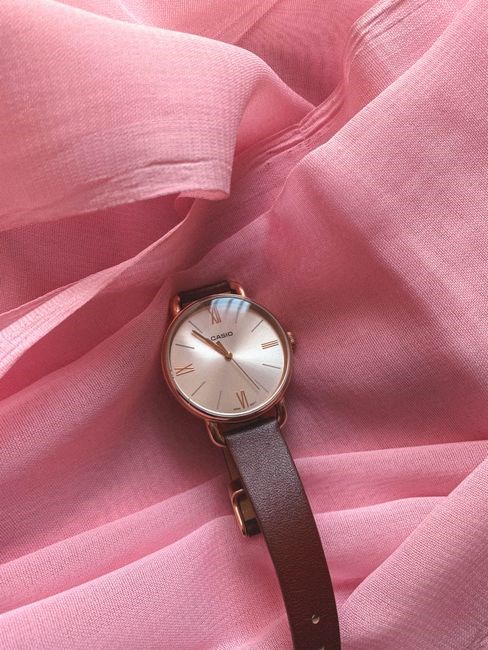
Fossil watches typically carry a water‑resistance rating of 3 ATM‚ meaning they can withstand pressures equivalent to a depth of 30 meters. This rating is suitable for everyday use‚ including brief exposure to rain‚ splashes‚ and hand washing‚ but is not intended for swimming‚ diving‚ or prolonged immersion. To preserve the water‑resistance seal‚ avoid exposing the watch to sudden temperature changes‚ such as moving it directly from a hot environment into cold water‚ which can compromise the gasket. When removing the watch for activities that may jeopardize its integrity‚ such as heavy cleaning or repairs‚ ensure the crown and push‑buttons are fully closed. Use a soft‚ lint‑free cloth to wipe the case and bracelet; for stainless steel models‚ a mild soap solution can be used sparingly‚ followed by thorough rinsing and drying. Leather straps should be kept dry and stored in a breathable pouch; avoid soaking them‚ as water can damage the leather and compromise the strap’s attachment. For silicone or rubber straps‚ a gentle rinse with warm water and mild detergent is sufficient; dry with a towel and allow to air‑dry completely before re‑attaching. Regularly check the gasket around the crown and case back; if it appears cracked or worn‚ replace it to maintain the water‑resistance rating. Finally‚ store the watch in a cool‚ dry place‚ preferably in its original case or a soft pouch‚ to prevent dust accumulation and protect against accidental drops that could compromise the seal.
Troubleshooting Common Issues
When a Fossil watch exhibits irregularities‚ follow these steps:
If the time or date fails to set‚ depress the crown fully and turn it to the “set” position; then rotate clockwise for time and counter‑clockwise for date‚ watching for month‑boundary jumps that indicate the watch is in date‑change mode.
For a chronograph that won’t stop‚ press the stop button firmly; if the second hand stops but the sub‑dial keeps running‚ release and press start/stop again.
An alarm that won’t sound usually has a muted volume switch—check the mute toggle on the crown or side of the case‚ and confirm the alarm indicator lights when the alarm button is pressed.
A rapidly draining battery should be replaced with a fresh CR2032; after insertion‚ let the watch run for at least 24 hours before resetting time.
Loss of water‑resistance often points to a cracked crown gasket—inspect for debris or damage and replace the gasket if necessary‚ or seek professional service for case‑back seals.
A dim or flickering display may result from a dirty crystal‚ and if the issue persists‚ a firmware update may be required—contact Fossil support for guidance.
Persistent problems that cannot be resolved with these steps should be taken to an authorized service center‚ and the warranty booklet can be referenced for specific repair procedures.
Keep the service manual handy for quick reference during maintenance.
If the watch still behaves unexpectedly after following these steps‚ schedule a professional inspection‚ as internal component failure may require specialized diagnostics and replacement parts available only through authorized service centers.
For help‚ call.
Warranty and Service Information
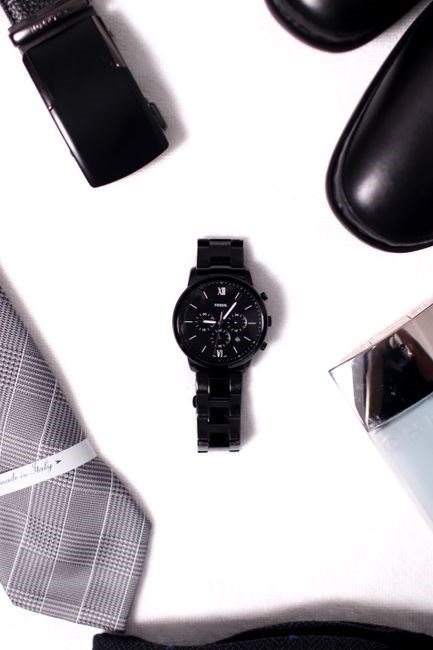
Fossil watches come with a standard two‑year limited warranty covering manufacturing defects and workmanship. The warranty period starts on the date of purchase and is valid only for the original owner. To claim‚ retain the original receipt and the warranty booklet that came with the timepiece. Bring the watch to an authorized Fossil service center or a certified repair shop; the technician will verify the serial number‚ inspect for defects‚ and determine eligibility. If the watch is found to be defective‚ Fossil will repair or replace the unit at no charge‚ provided the warranty conditions are met. Non‑manufacturing issues such as accidental damage‚ water intrusion beyond the specified depth‚ or misuse are excluded. For battery replacement‚ use only the recommended CR2032 or equivalent; improper installation voids the warranty. Service centers may also perform routine maintenance like crystal cleaning‚ gasket replacement‚ and chronograph calibration. The warranty does not cover loss‚ theft‚ or damage caused by improper handling. For extended coverage‚ Fossil offers a paid protection plan that can be purchased at the time of sale or within 30 days of purchase; this plan extends coverage to accidental damage and offers a replacement watch within 48 hours of a claim. Contact Fossil customer support via phone or email for assistance‚ and keep the service receipt for future reference. All service work performed by authorized personnel is guaranteed for 90 days from the date of repair‚ ensuring peace of mind for the owner. The warranty also covers any necessary parts replacement‚ and all labor is performed by certified technicians. Owners should keep the original purchase documentation and any service records to expedite future claims. Additionally‚ Fossil provides a 30‑day return policy for returns that are not covered by the warranty‚ allowing customers to exchange or refund within the specified period. All claims must be submitted within the warranty period to receive full coverage.
Software Updates and Firmware Compatibility
Fossil smartwatches receive periodic firmware updates through the official Fossil Companion app‚ ensuring new features‚ bug fixes‚ and improved battery efficiency. To check for updates‚ open the app‚ tap the watch icon‚ and select “Firmware Update.” The app will display the current firmware version and the latest available version. If an update is available‚ tap “Download” and then “Install.” The watch must remain within Bluetooth range and connected to a stable Wi‑Fi or cellular network during the process. Firmware compatibility is model‑specific; older models such as the FS6101 or N12 series support only legacy firmware‚ while newer models like the Gen 4 or Gen 5 series receive full OTA updates. Attempting to install incompatible firmware can result in a bricked device‚ so always verify the model number before proceeding. The update process may take 10–20 minutes; the watch will reboot automatically once the installation completes. If the update fails‚ restart the watch‚ clear the app cache‚ and retry. All updates are signed by Fossil and verified by the watch’s secure bootloader‚ preventing unauthorized firmware from running. Users should keep watch’ battery charged above 20% before initiating update to avoid interruptions. After a successful update‚ the watch will sync with the app‚ and any previously configured settings will be preserved. If a user experiences performance issues post‑update‚ resetting the watch to factory settings can resolve most conflicts. The Fossil support portal provides a detailed changelog for each firmware release‚ allowing users to review new features‚ resolved bugs‚ and known issues. For any questions‚ contact Fossil support through the app or via the official website.
Cleaning and Storage Recommendations
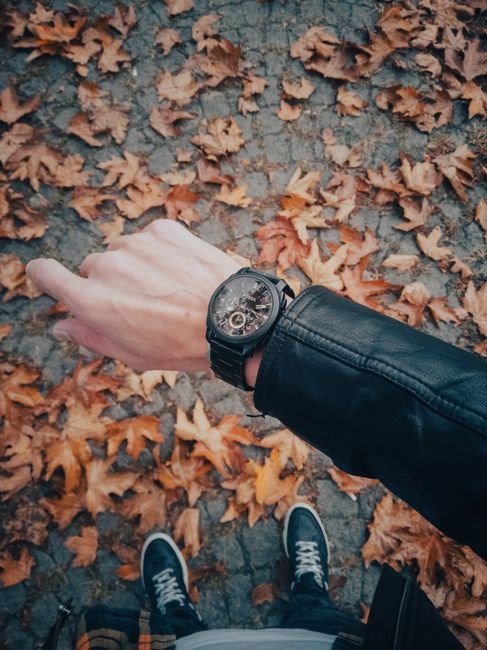
To keep a Fossil watch pristine‚ wipe the case with a soft‚ lint‑free cloth after each use. Avoid abrasive cleaners or harsh chemicals that can damage the finish. For deeper cleaning‚ use a mild soap solution and a soft brush to remove grime from the crown and bezel‚ then dry thoroughly. When the watch is not worn‚ store it in a cool‚ dry place away from direct sunlight and magnetic fields. Use a watch box or a padded pouch to protect against scratches. If the watch contains a battery‚ remove it before long storage and keep the battery compartment sealed to prevent corrosion. For chronograph models‚ allow the hands to rest in the neutral position to avoid strain on the movement. Periodically check the water‑resistance seals; if the watch is exposed to moisture‚ perform a pressure test or have it serviced. Store multiple watches together in a breathable case to avoid moisture buildup. Keep the watch out of extreme temperatures‚ as high heat can warp the case or degrade the battery. Follow these simple steps to extend the life and appearance of your Fossil timepiece. Store the watch in a dedicated case with a soft lining to prevent scratches. Avoid placing the watch near strong magnets or high‑frequency devices. If you travel‚ use a protective pouch to shield against shocks. Keep the watch in a dry environment; humidity can corrode metal parts. Regularly inspect the crown and seals for wear‚ and replace them if necessary. Keep it clean.
Safety Precautions for Users
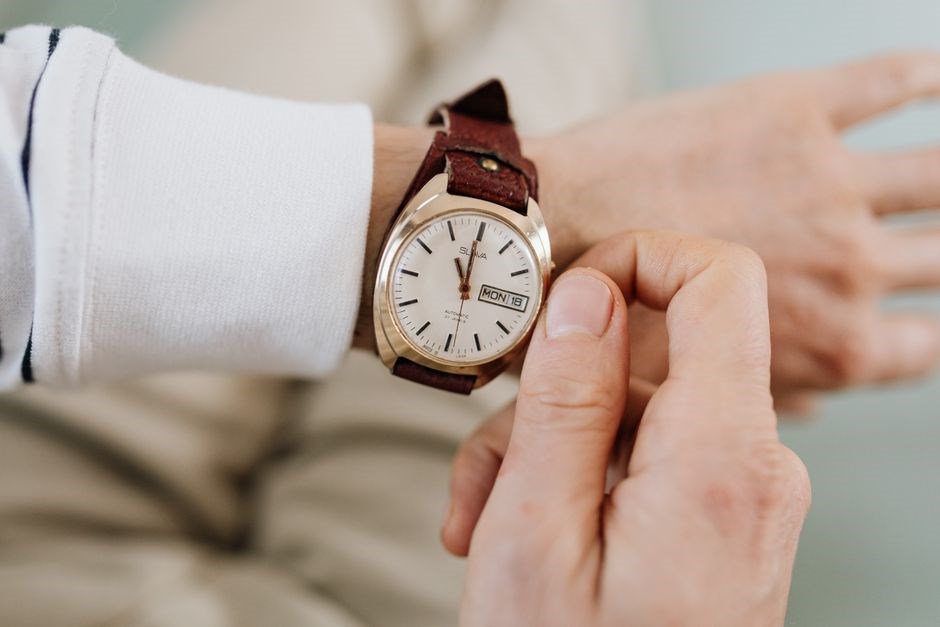
Before using your Fossil timepiece‚ read the safety section. Do not expose the watch to extreme temperatures‚ strong magnetic fields‚ or high‑frequency electromagnetic radiation‚ as these can affect accuracy. Avoid wearing it during contact sports‚ heavy lifting‚ or activities with sudden impacts to prevent case or crystal damage. If the watch is not water‑resistant‚ keep it away from water‚ steam‚ or humidity. Do not attempt to open the back cover or replace the battery yourself; seek professional service to avoid injury or damage. Keep the watch out of reach of children and do not use it as a toy. Do not apply harsh chemicals or abrasive cleaners; use mild soap and water. Avoid exposing it to loudspeakers‚ elevators‚ or large metal objects. If the crown is present‚ set time or date gently; do not force it. If you notice abnormal noise‚ vibration‚ or loss of accuracy‚ stop using the watch and seek professional service. Follow the manufacturer’s maintenance recommendations to ensure reliable operation for years to come.
Never wear the watch while swimming or bathing unless it is rated as water‑resistant. If the watch is dropped‚ do not pry it open; take it to a service center. Do not expose it to extreme cold‚ which can cause condensation. Keep it away from magnetic sources such as credit cards or large metal objects. If the battery swells or leaks‚ discontinue use daily and contact service for performance to maintain longevity. Use the strap size and secure it. These precautions preserve the watch’s integrity.
Key Takeaways for Quick Reference
• Set time/date by pulling crown to first position‚ rotating clockwise for time‚ counter‑clockwise for date‚ then push back.
• Use chronograph by pressing the top push‑button to start/stop‚ middle to reset.
• Alarm: activate by pressing the side button‚ set time via crown‚ confirm with a click.
• Battery: replace with a fresh CR2032; open the back cover with a small screwdriver.
• Strap: loosen lugs with a spring‑bar tool‚ slide new strap‚ re‑tighten.
• Water resistance: check rating; avoid submerging beyond specified depth.
• Cleaning: wipe with a soft cloth‚ avoid abrasive cleaners.
• Warranty: keep service booklet; claim within 12 months of purchase.
• Service: contact authorized dealer for repairs or firmware updates.
• Safety: avoid magnetic fields‚ extreme temperatures‚ and impact.
• Storage: keep in a cool‚ dry place; use a watch box or pouch.
• Maintenance: replace battery every 1‑2 years‚ inspect for wear;
• Troubleshooting: if chronograph lags‚ reset; if alarm fails‚ check battery.
• Contact: Fossil support at 1‑800‑FOSSIL or via website.
• Keep manual handy for quick reference.
Additional notes: Always store the watch in a dry‚ cool place when not in use. Direct sunlight. If you notice any irregularities‚ consult a certified technician promptly. Regular maintenance ensures optimal performance and longevity!!??
Resources and Support Contacts
For comprehensive assistance with your Fossil timepiece‚ consult the following resources:
- Official website: www.fossil.com – browse manuals‚ FAQs‚ and warranty status.
- Customer support phone: 1‑800‑FOSSIL (1‑800‑367‑7464) – available Mon‑Fri 8 a.m.–8 p.m. EST.
- Email: support@fossil.com – submit tickets for repairs or inquiries.
- Authorized service centers: use the locator on the website to find a certified technician near you.
- Warranty booklet: keep the original booklet; it contains serial number‚ purchase date‚ and warranty terms.
- Online FAQ: www.fossil.com/faq – quick answers for common issues;
- Community forums: www.fossilforums.com – peer support and tips.
- YouTube tutorials: search “Fossil watch manual” for step‑by‑step guides on setting time‚ chronograph‚ and battery replacement.
- Firmware updates: check the website for downloadable updates and instructions for compatible models.
- Social media: follow @Fossil on Instagram‚ Twitter‚ and Facebook for announcements and troubleshooting tips.
Always verify the model number (e.g.‚ FS6101) before contacting support to ensure accurate assistance.
For additional guidance‚ refer to the user community on Fossil’s official forum‚ where owners share maintenance hacks and troubleshooting tips. If you encounter a defect not covered here‚ schedule a service appointment through the website or call customer support. Remember to keep your serial number handy for faster service