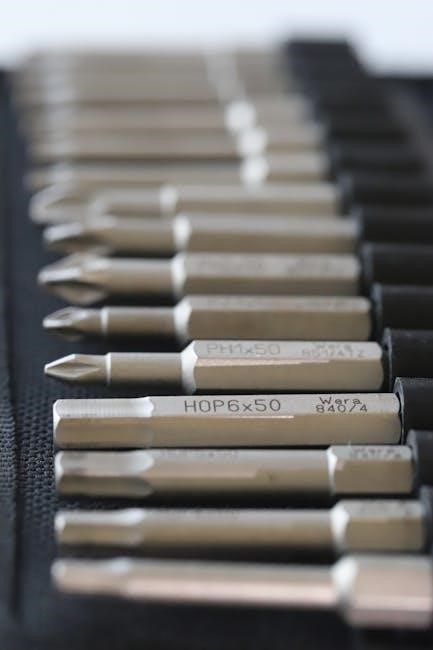
Nail Drill Bits Guide: A Comprehensive Overview (Updated 01/22/2026)
Navigating the world of nail drill bits requires understanding diverse materials—diamond‚ carbide‚ ceramic‚ silicone‚ and sanding bands—each serving unique purposes for professional results.
Nail drill bits have revolutionized the nail care industry‚ offering technicians enhanced precision‚ speed‚ and efficiency in various services. These small‚ powerful tools‚ when used correctly‚ can significantly improve the quality and longevity of manicures and pedicures. Understanding the different types of bits and their specific applications is crucial for any nail professional aiming to deliver exceptional results and maintain nail health.
Historically‚ manual filing was the standard‚ but it was time-consuming and often led to uneven results. Modern nail drills‚ paired with the appropriate bits‚ allow for controlled material removal‚ shaping‚ and smoothing. From acrylic and gel removal to cuticle work and natural nail preparation‚ a diverse range of bits caters to every need. Selecting the correct bit minimizes damage to the natural nail and maximizes client comfort. Proper training and adherence to safety protocols are paramount when incorporating these tools into your practice.
Understanding the Different Types of Nail Drill Bits
Nail drill bits come in a variety of materials‚ each possessing unique characteristics suited for specific tasks. Diamond bits‚ known for their aggressive cutting power‚ are ideal for removing product buildup like acrylic or gel polish. Carbide bits excel at shaping and smoothing‚ effectively addressing calluses and hard skin. Ceramic bits offer a gentler approach‚ generating less friction and heat‚ making them suitable for delicate work.
Silicone bits are incredibly versatile‚ perfect for buffing‚ smoothing‚ and cuticle care due to their soft and flexible nature. Sanding band bits‚ consisting of abrasive grit wrapped around a mandrel‚ are essential for surface preparation and refining nail shape. Choosing the right material depends on the desired outcome and the client’s nail condition. Understanding these distinctions is key to achieving optimal results and preventing nail damage.
Diamond Nail Drill Bits
Diamond nail drill bits are renowned for their exceptional hardness and aggressive cutting ability‚ making them a staple in professional nail salons. These bits utilize tiny diamond particles bonded to a metal shaft‚ effectively scratching off product buildup on the nail surface. They are particularly effective for removing acrylic‚ gel‚ and dip powder enhancements with speed and precision.
However‚ it’s crucial to note that diamond bits are generally not recommended for use on natural nails due to their abrasive nature. Improper use can cause damage to the natural nail plate. Skilled technicians employ diamond bits for efficient product removal‚ always prioritizing client safety and nail health. Different grit levels are available‚ allowing for customized control during the removal process.
Carbide Nail Drill Bits

Carbide nail drill bits are celebrated for their durability and versatility‚ making them a fundamental tool for shaping and smoothing nails. Constructed from tungsten carbide‚ these bits excel at removing excess product‚ refining nail contours‚ and addressing calluses or hard skin. They offer a balance between cutting power and control‚ suitable for a wide range of nail services.
Unlike diamond bits‚ carbide bits can be safely utilized on natural nails for gentle shaping and smoothing‚ though caution is still advised. Technicians frequently employ carbide bits to refine the apex of acrylic nails‚ create perfect sidewalls‚ and prepare the nail surface for gel polish application. The varied shapes and cuts available—ball‚ cone‚ flame‚ and barrel—allow for precise customization based on the desired outcome.
Ceramic Nail Drill Bits
Ceramic nail drill bits represent a gentler alternative to diamond and carbide‚ prized for their reduced friction and heat generation. These bits are ideal for delicate exfoliation and smoothing‚ minimizing the risk of damage to the natural nail plate. Constructed from a ceramic material‚ they offer a refined approach to nail preparation and finishing.
While effective for product removal‚ ceramic bits are particularly well-suited for refining the cuticle area and polishing the nail surface. They excel at removing dead skin and smoothing imperfections without causing excessive heat buildup. Technicians often use ceramic bits to gently push back the proximal nail fold and refine the eponychium. Their smooth operation makes them a preferred choice for clients with sensitive skin or thinner nail plates‚ ensuring a comfortable and safe experience.
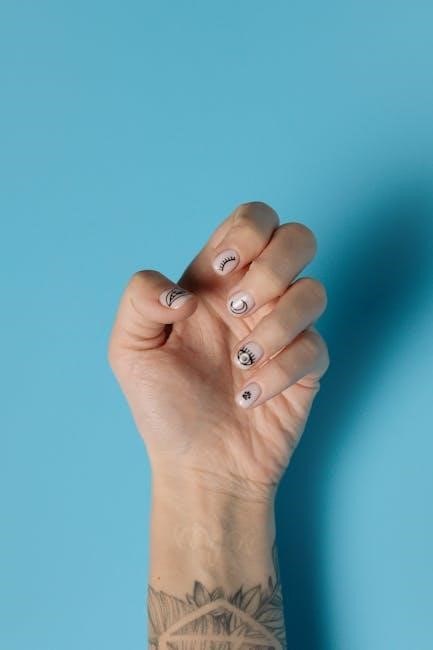
Silicone Nail Drill Bits
Silicone nail drill bits are celebrated for their exceptional softness and flexibility‚ making them a cornerstone for buffing‚ smoothing‚ and delicate cuticle work. Unlike their harder counterparts‚ silicone bits minimize the risk of causing trauma to the natural nail‚ offering a gentle yet effective approach to nail care. Their pliable nature allows for precise control and a comfortable experience for the client.
These bits are particularly adept at removing cuticle tissue and addressing minor imperfections on the nail surface. They excel at polishing the nail plate to a healthy sheen‚ promoting natural nail health. Silicone bits are also frequently used to refine the sidewalls and edges of the nail‚ ensuring a clean and polished finish. Due to their gentle action‚ they are an excellent choice for clients with sensitive skin or those seeking a non-abrasive manicure experience.
Sanding Band Nail Drill Bits
Sanding band nail drill bits are essential for surface preparation and refining nail enhancements‚ offering versatility through varying grit levels. These bits consist of a rubber band coated with abrasive particles‚ providing a cushioned yet effective sanding action. They are incredibly adaptable‚ suitable for shaping acrylics‚ gels‚ and even natural nails with careful application.
Sanding bands excel at smoothing uneven surfaces‚ removing product buildup‚ and preparing the nail for subsequent steps in the manicure process. Different grit levels cater to specific needs – coarser grits for rapid material removal‚ and finer grits for polishing and refining. Technicians utilize them to blend enhancements seamlessly‚ ensuring a smooth and natural-looking finish. Proper technique is crucial to avoid over-filing or damaging the natural nail; controlled pressure and movement are key to achieving optimal results.
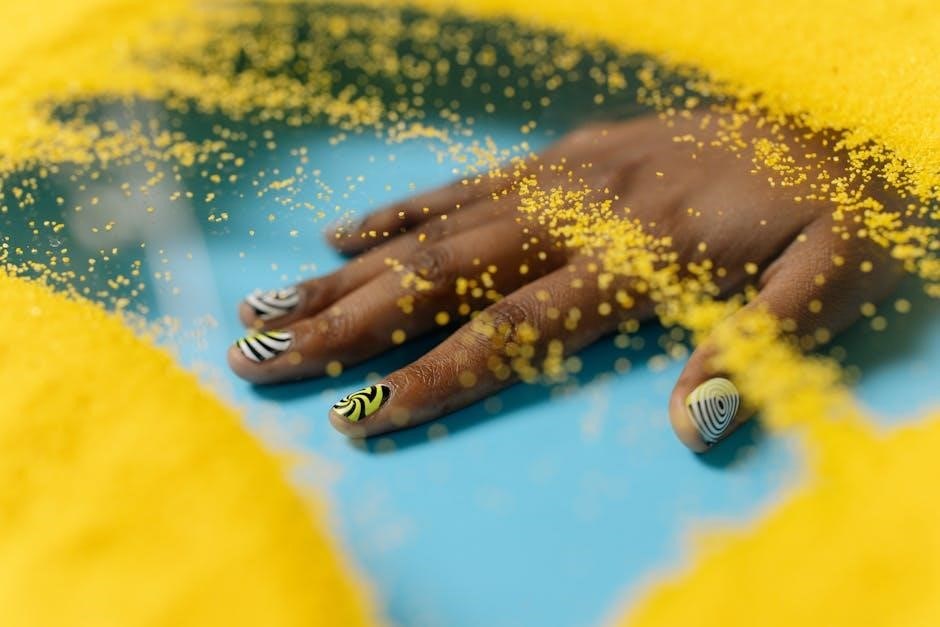
Specific Uses for Each Bit Type
Understanding the specialized applications of each nail drill bit is paramount for achieving professional and safe results. Diamond bits are primarily employed for aggressive product removal‚ effectively scratching away acrylic or gel enhancements. Carbide bits excel at shaping and smoothing‚ tackling thicker materials and calluses with precision. Ceramic bits offer a gentler exfoliation‚ ideal for refining surfaces with less friction and heat generation.
Silicone bits are favored for buffing and cuticle work‚ providing a soft touch for delicate areas. Sanding bands are versatile for surface preparation‚ smoothing‚ and blending. Selecting the correct bit for the task minimizes damage and maximizes efficiency‚ ensuring client satisfaction and maintaining nail health. Mastering these distinctions elevates the quality and speed of any nail service.
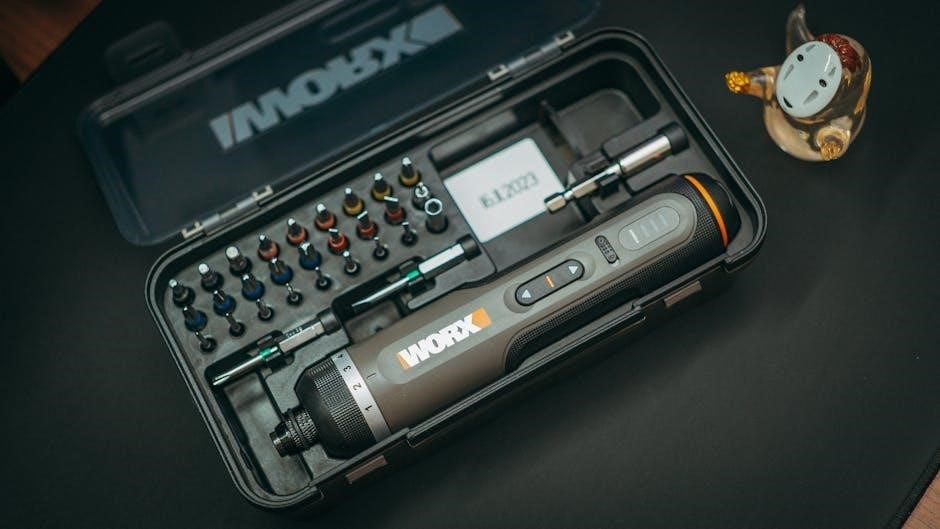
Diamond Bits for Product Removal
Diamond nail drill bits are the workhorses for efficient and rapid product removal‚ particularly when dealing with acrylics and gel enhancements. Their abrasive surface effectively scratches away layers of product‚ significantly reducing filing time compared to manual methods. However‚ it’s crucial to exercise caution; diamond bits are aggressive and should never be used directly on the natural nail plate‚ as this can cause damage and thinning.
Technicians should employ a light touch and consistent movement to avoid generating excessive heat. Different grit levels cater to varying product thicknesses – coarser grits for bulk removal and finer grits for smoothing. Proper technique and bit maintenance are essential for maximizing effectiveness and preventing nail trauma‚ ensuring a safe and efficient service.
Carbide Bits for Shaping and Smoothing
Carbide nail drill bits excel at shaping and smoothing both natural and enhancement nails‚ offering versatility for a range of services. These bits are notably durable and maintain their shape well‚ making them a long-lasting investment for any nail technician. They are ideal for refining the apex of acrylic nails‚ creating crisp sidewalls‚ and smoothing out imperfections in gel polish applications.
Beyond nail enhancements‚ carbide bits can also be utilized for gentle callus removal and addressing hard skin around the nail area. Employing varying shapes – such as barrel‚ ball‚ or flame – allows for precise control and customized shaping. Remember to use a light to medium pressure and avoid dwelling in one spot to prevent heat build-up and potential discomfort for the client.
Ceramic Bits for Gentle Exfoliation
Ceramic nail drill bits are renowned for their smooth operation and reduced heat generation‚ making them perfect for gentle exfoliation and refining the nail plate. Unlike diamond bits‚ ceramic bits offer less friction‚ minimizing the risk of damage to the natural nail. They are exceptionally well-suited for removing dead skin from the nail folds‚ smoothing the cuticle area‚ and preparing the nail surface for polish application.
These bits are also effective for refining acrylic or gel enhancements‚ subtly shaping the free edge‚ and blending product seamlessly. When using ceramic bits‚ a light touch is crucial; avoid applying excessive pressure‚ as this can still cause discomfort. Regular cleaning is essential to maintain their smooth performance and prevent product build-up‚ ensuring optimal results with every use.
Silicone Bits for Buffing and Cuticle Work
Silicone nail drill bits stand out due to their soft‚ flexible nature‚ making them ideal for delicate tasks like buffing and smoothing the natural nail plate without causing damage. Their gentle action is particularly beneficial for clients with sensitive skin or thin nails. These bits excel at refining the nail surface‚ removing minor imperfections‚ and creating a healthy shine.

Beyond buffing‚ silicone bits are exceptionally effective for cuticle work. They can safely and precisely remove excess cuticle tissue‚ lifting and smoothing the eponychium without the risk of cutting or irritation. This promotes healthy nail growth and a clean‚ polished appearance. Remember to use a light touch and maintain proper sanitation to ensure optimal results and client safety.
Sanding Bands for Surface Preparation
Sanding bands are versatile tools crucial for preparing the nail surface for various enhancements‚ including acrylics and gel polish. These bands‚ typically made with abrasive grit adhered to a rubber band‚ effectively remove shine‚ create texture for better adhesion‚ and refine the nail’s shape. Different grits cater to varying needs – coarser grits for initial shaping and smoothing‚ and finer grits for finishing and blending.
Proper technique is vital when using sanding bands. Employ a light touch and consistent motion to avoid over-filing or creating heat. Sanding bands are also useful for smoothing out imperfections and blending enhancements seamlessly. Remember to regularly replace used bands to maintain optimal performance and prevent contamination‚ ensuring a flawless and durable manicure.
Choosing the Right Bit for Different Nail Services
Selecting the appropriate nail drill bit is paramount for achieving optimal results and maintaining nail health. For acrylic nail services‚ carbide bits excel at shaping and refining the acrylic‚ while diamond bits efficiently remove bulk product. Gel nail services benefit from diamond bits for safe removal and smoothing‚ coupled with finer grits for finishing.
Natural nail manicures demand a gentler approach; Ceramic bits are ideal for delicate exfoliation and cuticle work‚ minimizing trauma to the natural nail. Silicone bits provide a soft buffing action‚ enhancing shine without causing damage. Understanding the specific needs of each service—product removal‚ shaping‚ smoothing‚ or cuticle care—guides the selection process‚ ensuring a professional and healthy outcome.
Acrylic Nail Services: Bit Selection
When working with acrylic nails‚ a strategic bit selection is crucial for efficient and precise service delivery. Carbide bits are the workhorses for acrylic shaping‚ offering robust cutting power to refine the nail’s structure and create desired forms. Utilize a coarser grit for initial bulk removal and transition to finer grits for smoothing and perfecting the acrylic surface.
Diamond bits are invaluable for removing lifting or unwanted acrylic product‚ ensuring a clean and secure base. Employ a safety bit to prevent accidental damage to the natural nail during product removal. Remember to prioritize client comfort by using appropriate speeds and light pressure‚ minimizing heat build-up and maximizing control throughout the acrylic service.
Gel Nail Services: Bit Selection
Gel nail services demand a nuanced approach to bit selection‚ prioritizing gentle yet effective product removal and surface preparation. Diamond bits excel at lifting and removing gel polish‚ offering controlled exfoliation without excessive heat. Opt for finer grit diamond bits to minimize damage to the natural nail plate during gel removal processes.
Ceramic bits are ideal for refining the gel surface‚ smoothing imperfections‚ and preparing the nail for reapplication. Their lower friction generates less heat‚ safeguarding the natural nail. Carbide bits can be used cautiously for shaping gel enhancements‚ but always prioritize a light touch. Remember to always inspect the natural nail after gel removal‚ ensuring no residual product or damage remains before proceeding with the next service step.

Natural Nail Manicures: Bit Selection
For natural nail manicures‚ the focus shifts to gentle exfoliation‚ cuticle care‚ and surface refinement‚ demanding a delicate selection of drill bits. Silicone bits are paramount‚ offering a soft‚ polishing action ideal for buffing the nail plate and smoothing minor ridges without causing damage. They’re also excellent for gently pushing back and lifting the proximal nail fold.
Ceramic bits‚ used with extreme caution and a light touch‚ can refine the cuticle area and gently exfoliate the skin. Avoid using diamond or carbide bits directly on the natural nail plate‚ as they are too abrasive. Sanding bands‚ with a very fine grit‚ can smooth minor imperfections‚ but should be used sparingly. Prioritize safety and a gentle approach to maintain nail health and integrity during natural manicures.
Maintaining and Sanitizing Your Nail Drill Bits
Proper maintenance and rigorous sanitization are non-negotiable for nail drill bits‚ safeguarding both clients and technicians from potential infections. Cleaning procedures vary by material; diamond and carbide bits benefit from thorough scrubbing with brush cleaners and ultrasonic cleaners‚ removing debris effectively. Silicone bits require gentle soap and water‚ avoiding harsh chemicals that can degrade the material.
After cleaning‚ disinfection is crucial using an EPA-registered disinfectant. Always follow the manufacturer’s instructions for contact time. Store bits in a clean‚ dry‚ and organized manner – individual compartments or sealed containers prevent cross-contamination. Regularly inspect bits for damage; discard any showing signs of wear. Prioritize safety by adhering to these protocols consistently.
Cleaning Procedures for Different Bit Materials
Effective cleaning hinges on understanding each bit material’s unique needs. Diamond bits demand vigorous scrubbing with a dedicated brush cleaner to dislodge embedded nail filings; ultrasonic cleaners offer superior deep cleaning. Carbide bits also respond well to brush cleaning‚ followed by disinfection. Ceramic bits‚ being more porous‚ require thorough cleaning to prevent buildup‚ and benefit from occasional sterilization.
Silicone bits are delicate; gentle soap and water are best‚ avoiding harsh chemicals that cause degradation; Sanding bands are typically disposable after each use‚ but reusable bands require careful removal of debris. Always rinse bits thoroughly after cleaning‚ ensuring no cleaner residue remains. Proper cleaning extends bit life and maintains hygiene.
Proper Storage Techniques
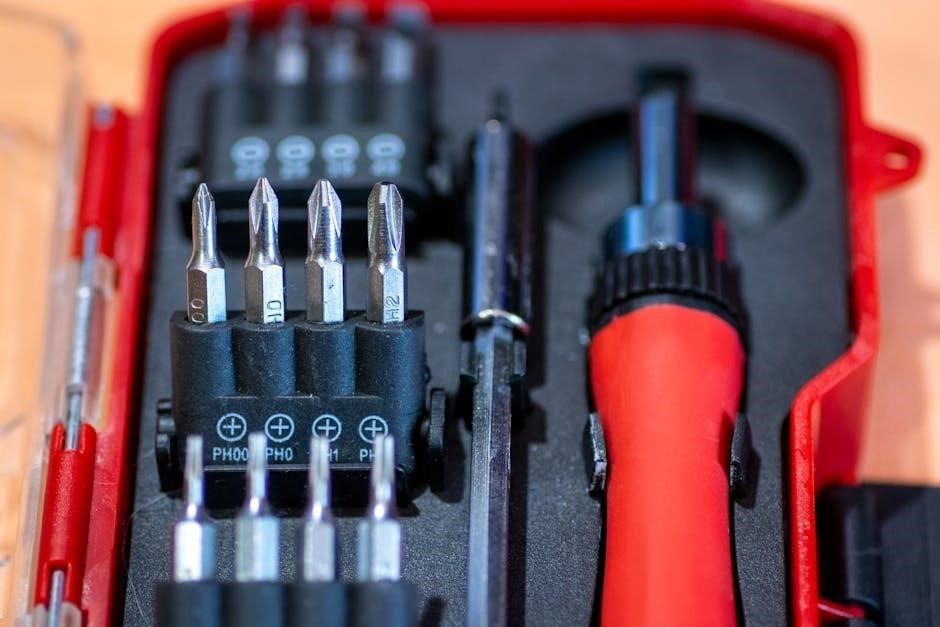
Maintaining the integrity of your nail drill bits relies heavily on correct storage practices. Individual storage—using separate compartments‚ cases‚ or labeled slots—prevents bits from knocking against each other‚ minimizing damage and dulling. Avoid storing bits loosely in drawers‚ as this accelerates wear and tear.
Protect bits from dust and debris by keeping them in sealed containers when not in use. Regularly inspect storage containers for cleanliness. Consider using a bit organizer with designated spaces for each type and grit. Proper storage not only prolongs bit lifespan but also ensures they remain sanitary and ready for precise nail services‚ contributing to professional results and client safety.
Safety Precautions When Using Nail Drill Bits
Prioritizing safety is paramount when utilizing nail drill bits. Always wear appropriate personal protective equipment (PPE)‚ including safety glasses to shield your eyes from debris and a dust mask to prevent inhalation of nail filings. Ensure clients are also protected with eyewear.
Never apply excessive pressure‚ allowing the bit to do the work. Maintain a firm‚ controlled grip on the drill and avoid using damaged or dull bits‚ as these can cause injury. Regularly inspect the handpiece for any malfunctions. Proper ventilation is crucial to minimize dust exposure. Thoroughly sanitize bits after each use to prevent cross-contamination and maintain a hygienic workspace‚ safeguarding both technician and client health.